
Layers of Success: The Centro Onion Journey

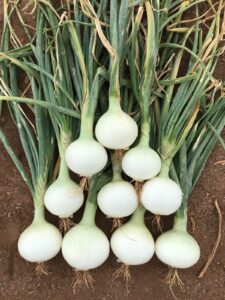
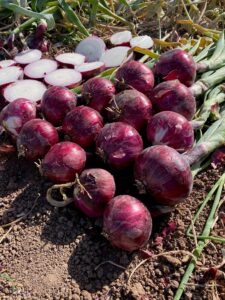
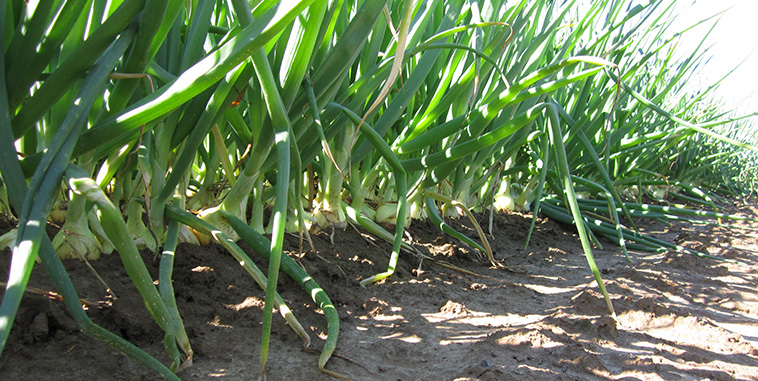
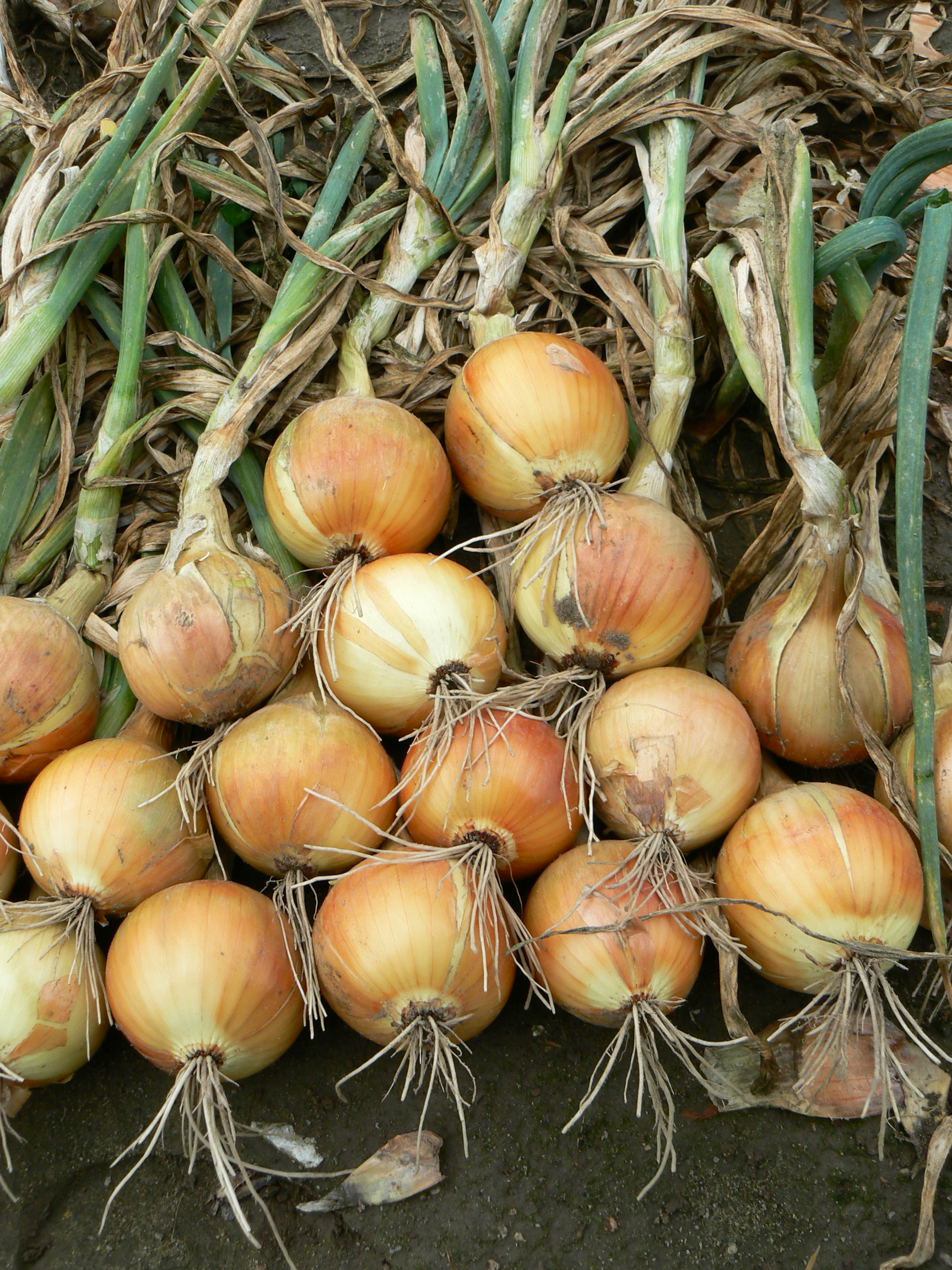
The story of Centro, a high-performing onion variety now sold throughout Europe, is one of innovation and strategic focus. Over the years, Centro has become a key symbol of Hazera’s dedication to producing top-quality onions and driving success in the global market.


Thirty years ago, Hazera’s market share in onions was low. In 1993, a dedicated project team was formed, bringing together experts from R&D, Marketing, and Commercial divisions, along with an external onion specialist. The goal: to uncover the reasons behind the low market share and implement impactful changes to significantly improve it. 
Through extensive discussions with key growers and packers, the team identified the core issues—low yield and poor skin quality—which led to low pack-out rates and considerable losses for customers. This realization helped the team set new priorities, focusing on four key traits: yield, skin quality, dormancy, and firmness. 

Recognizing that “what gets measured, gets improved,” the team invested in a machine to accurately measure firmness. This new approach provided clear focus and helped define the right priorities. Over the next decade, Hazera’s onion team consistently used this tool during their evaluations, allowing them to identify clear differences in traits like yield and firmness between Hazera’s genetics and those of competitors. 

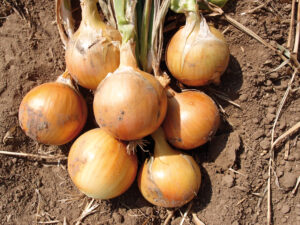
Together with a group of colleagues, the team selected breeding number 37-58 F1 for development. It was thoroughly tested with leading growers in key onion-producing regions, and a detailed plan was created to guide the project in the years to come. Numerous trials confirmed the variety’s exceptional performance. The variety was named “Centro” due to its high rate of single centers and was first launched in key markets, the Netherlands and Germany. Within 6-7 years, Centro gained popularity and was adopted in many other countries. 

Hazera’s long-term commitment and investments have led to a substantial increase in its market share for onions. Hazera continues to focus on breeding and the development of high-yielding varieties with unique traits. 

Would you like to learn more about Centro? Contact us!

More News

Our Top 3 Varieties in 2023

by Jose Arias, Sales & PD California

As we bid farewell to the old and usher in the new, it’s time to extend warm wishes to some remarkable varieties gracing the agricultural landscape. Let’s toast Moonstone, Cali, and Robello – each unique in its own right, contributing its brilliance to the fields and gardens.

Moonstone

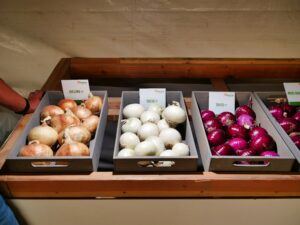
Moonstone, a shining gem in the Hazera family, has captivated growers with its enchanting attributes. Sporting a lustrous white external color, impeccable shape, and uniform size, Moonstone has effortlessly acclimated to diverse growing areas, showcasing its unwavering dependability. As we step into the New Year, let’s celebrate Moonstone’s resilience and applaud its role as a valuable asset in agricultural programs.

Cali

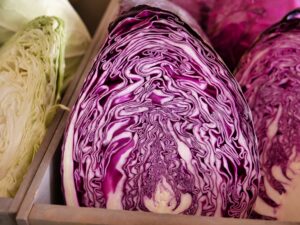
As the seasons change, so does the spotlight on Cali, a cabbage variety that truly shines. Best suited for cultivation in early spring, summer, and fall, Cali has earned its place in fresh market cabbage programs. With a reputation for high yield potential, uniformity in shape and size, and a compact core boasting exceptional internal fill, Cali is a beacon of excellence. Wishing Cali a prosperous New Year, filled with bountiful harvests and continued resistance to challenges like FoC.

Robello

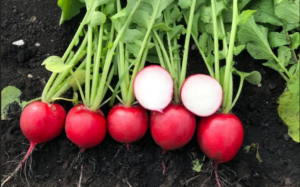
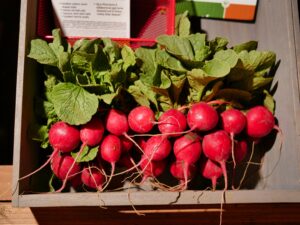
In the realm of radishes, Robello stands out as a swift and vibrant contender. This fast-maturing variety presents growers with uniform bulbs characterized by consistent size and shape. Boasting a robust top attachment, ample top length, and a striking red exterior giving way to crisp, white flesh, Robello is a visual and culinary delight. As we embrace the New Year, let’s extend our wishes to Robello, a stalwart companion in both fresh consumption and processing, known for its unwavering resistance to downy mildew.

Here’s to Moonstone, Cali, and Robello – may the coming year be a tapestry of success, growth, and abundant harvests for these exceptional varieties. Happy New Year!
Browse our Crop Portfolios

More News

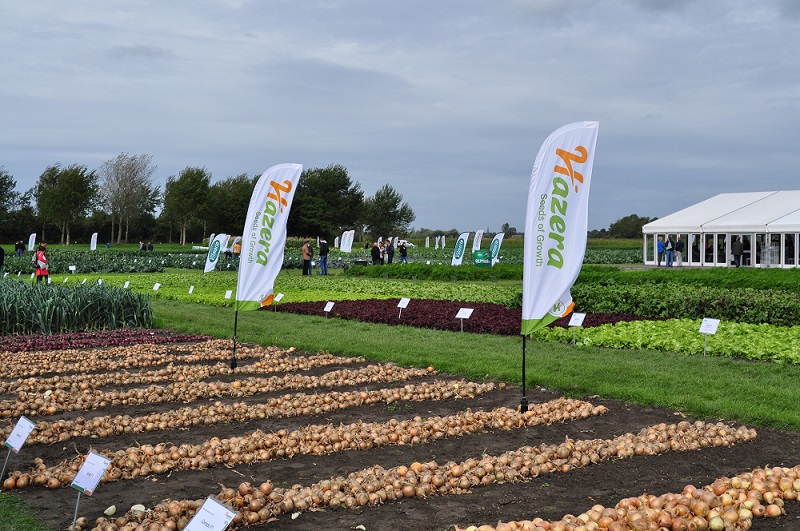
The future of onion is here- annual onion week tour in Brawley

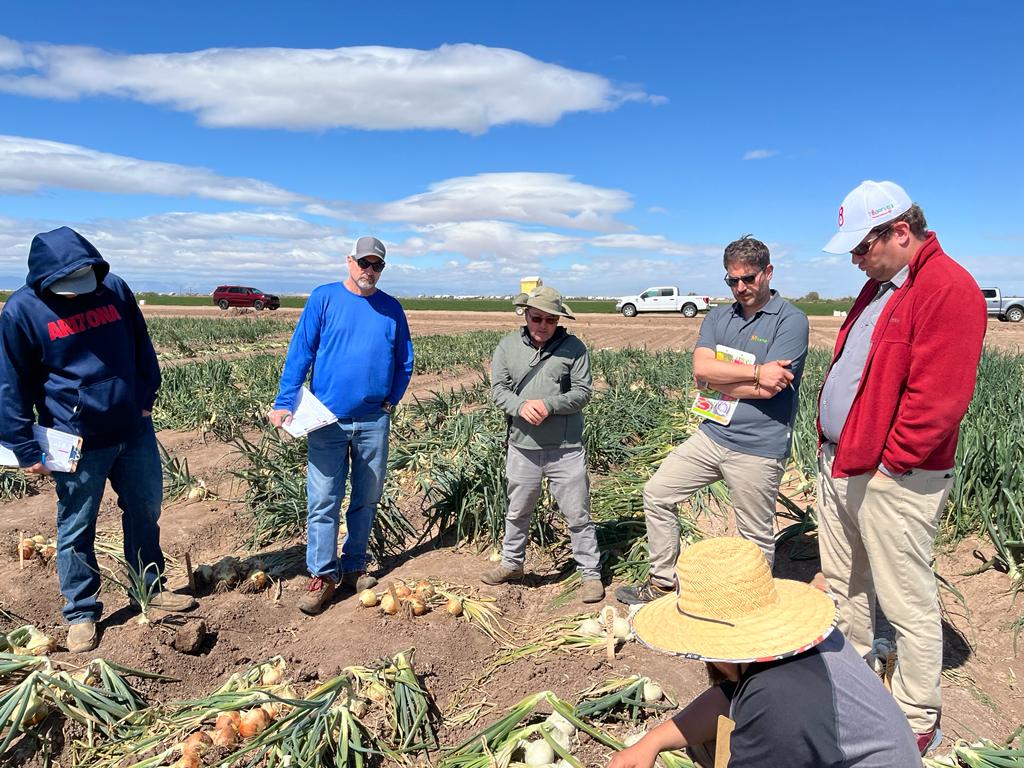
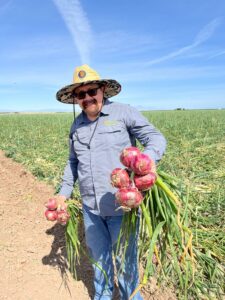
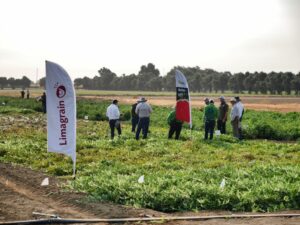
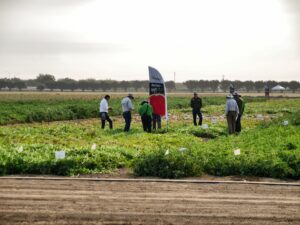
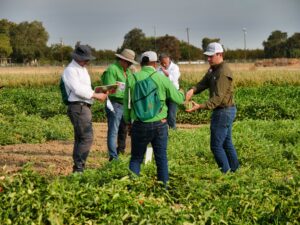
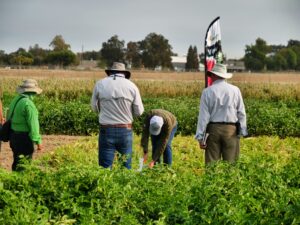
We sat with Santiago, Product Manager Allium & Crucifers in the Americas, to discuss and learn more about his experience at our annual onion week tour in Brawley, which took place in early May. Brawley is located in the heart of the Imperial Valley and serves as one of the primary production areas for Short Day onions in the USA. This region plays a vital role in supplying the market with fresh onions, particularly between April and June.

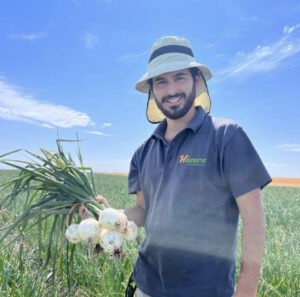
Hailing from Argentina, Santiago Berger is responsible for overseeing Onion, Leek, Radish, and Cabbage across the American continent. Additionally, Santiago also holds global responsibility for Hazera’s portfolio of Short Day Onions (Yellows and Whites), Long Day Spanish Onions, and Radishes for open field low density.

Santiago Berger

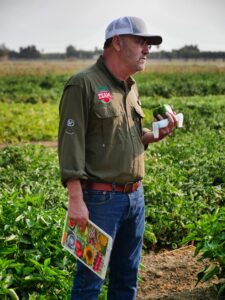
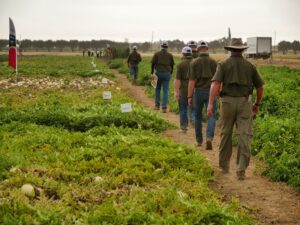
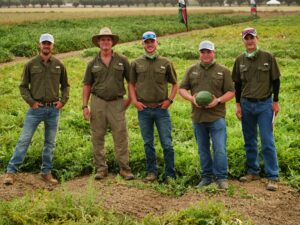
During this week, the Hazera team embarked on a tour that encompassed visits to customers and growers, evaluations of trials, and discussions on market trends and our overall portfolio. The tour brought together the breeding, marketing, sales, and development teams, emphasizing the importance of seamless communication and continuous collaboration to ensure high-quality work.

Together with our dealers and growers, we had the opportunity to witness the exceptional performance of three of our new varieties that have been garnering remarkable results in the region. Leading the pack is Toro Rosso (Red), closely followed by Joelino (Yellow) and Cisne Blanco (White), offering growers diverse options in terms of color.

Furthermore, our DV trials have been showcasing exciting varieties in yellow, red, and white, which will continue to bolster our portfolio, not only in the USA but also in markets worldwide. Moreover, our breeding trials provided a glimpse into the future of our company.

“The exchange between our team, dealers, and growers holds immense value for Hazera. It enables us to gain a deeper understanding of market needs and receive feedback on our work and the direction we are heading”, says Berger.

We extend our heartfelt gratitude to everyone who joined us during this week, allowing us to showcase our ongoing efforts and what Hazera brings to the market. Thank you all for your support, and we look forward to continuing our journey together.

Browse our Onion Portfolio here

More News

Fresh from the field: Three key trends in crop farming

Humans have been farming crops for millennia – but the goal remains the same: to feed people. Of course, farming practices have advanced dramatically in the past few centuries, and global pressures continue to drive rapid change in the industry.


Reinout de Heer, Global Product Manager Allium, explores three key trends shaping crop farming and discusses how Hazera’s expertise is paving the way for a more sustainable industry future.


  1. Mechanization momentum


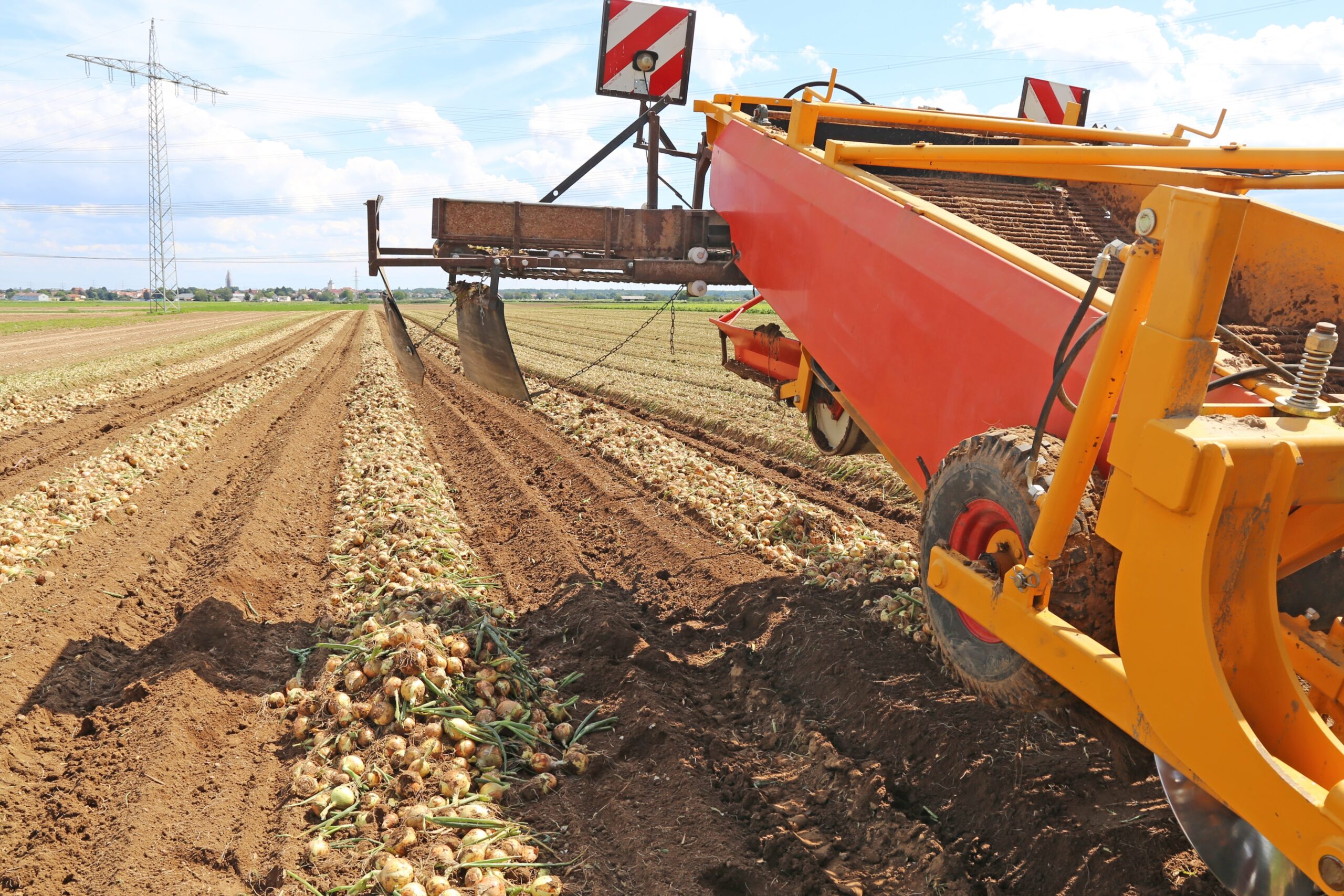
Higher labor costs and decreasing labor availability are leading many farmers to consider mechanical harvesting and other new technologies.


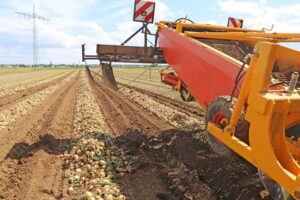
We’re seeing mechanization trends take hold in places like the Netherlands, the UK, and California, in relation to a wide range of produce. However, with crops such as onions, it’s clear that hand-harvesting means a higher quality product with less damage.


This is what makes research into developing new varieties so important. At Hazera, we’re working to test new crop varieties to ensure farmers can invest in the technologies they need, knowing their harvest won’t suffer.


  1. Chemical control compliance


With tightening environmental regulation, many growers are looking for alternatives to traditional pesticides and fungicides.


Biostimulants are a popular option for Hazera’s customers, being applied to seeds to make plants stronger and more resistant to disease. Product quality can also be boosted through seed pelleting, which creates more rounded seeds, and priming, which means up to five days’ less germination time in the field.


  1. Local logic


Harvested crops have long been shipped around the world; however, increases in container transport costs are putting pressure on global food systems. Environmental awareness is meanwhile on the rise, as ‘buy local’ or ‘eat seasonal’ become important consumer trends.


At Hazera, we help farmers achieve year-round production with varieties that have good storability and shelf-life properties. Developments in leeks, for instance, which traditionally deteriorate quickly once harvested, are making a big difference. More flexible crop varieties can help customers reduce transport costs, carbon emissions, and food waste, all at once.


Support from the ground up


Around the world, Hazera works in close cooperation with farmers of all kinds of crops to respond effectively to emerging trends. Through trials and other research, we address the industry’s most pressing challenges and develop seed solutions to help agriculturalists – and their plants – thrive.


Want to learn more? Contact us today to see how we can support you!

More News

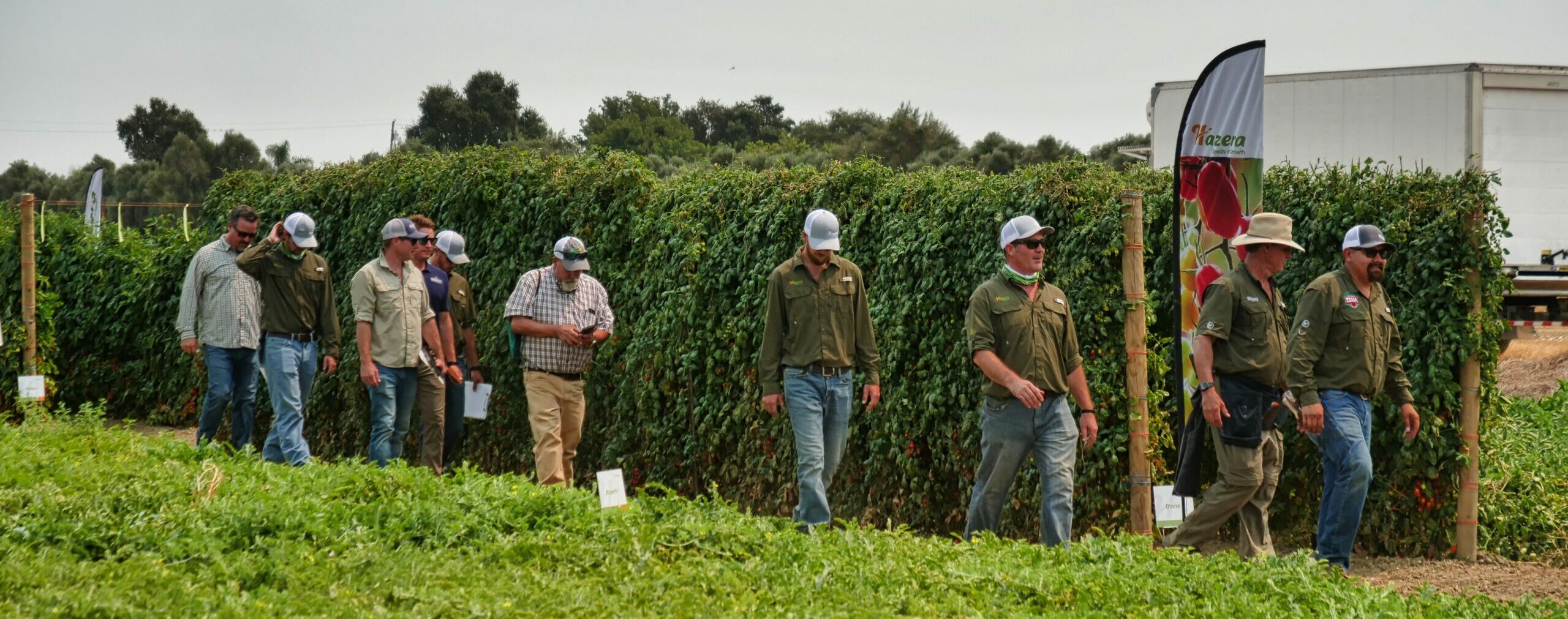
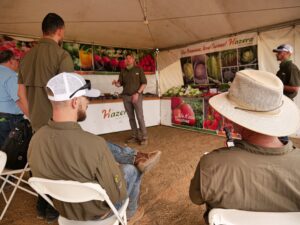
Hazera USA – Field day Woodland California

More News