
Fresh from the field: Three key trends in crop farming

Humans have been farming crops for millennia – but the goal remains the same: to feed people. Of course, farming practices have advanced dramatically in the past few centuries, and global pressures continue to drive rapid change in the industry.


Reinout de Heer, Global Product Manager Allium, explores three key trends shaping crop farming and discusses how Hazera’s expertise is paving the way for a more sustainable industry future.


  1. Mechanization momentum


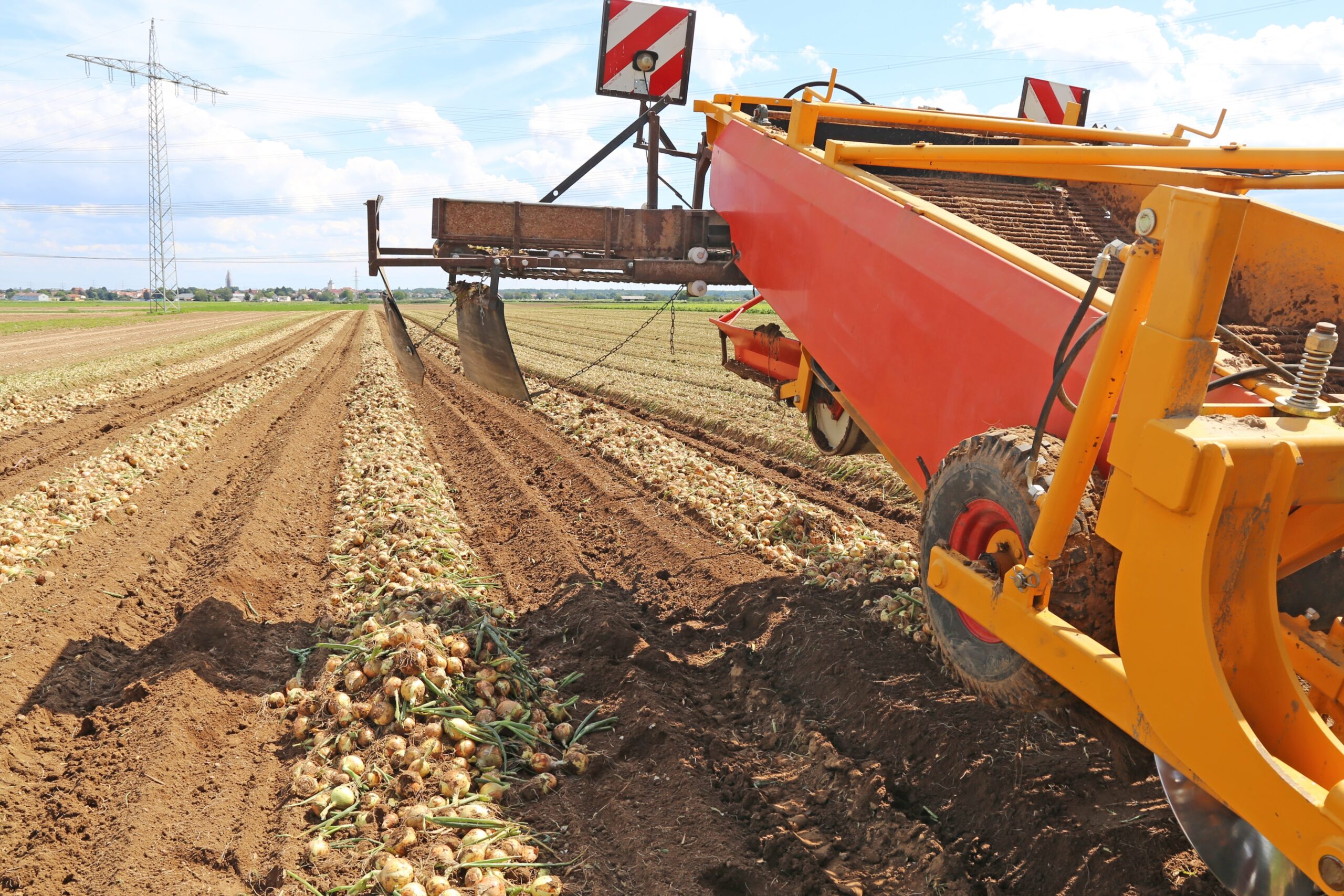
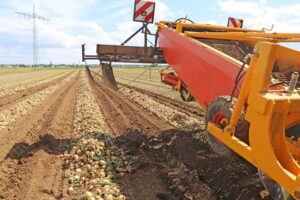
Higher labor costs and decreasing labor availability are leading many farmers to consider mechanical harvesting and other new technologies.


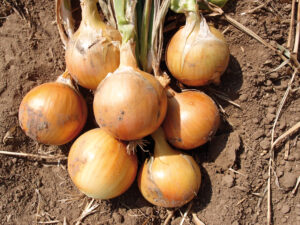
We’re seeing mechanization trends take hold in places like the Netherlands, the UK, and California, in relation to a wide range of produce. However, with crops such as onions, it’s clear that hand-harvesting means a higher quality product with less damage.


This is what makes research into developing new varieties so important. At Hazera, we’re working to test new crop varieties to ensure farmers can invest in the technologies they need, knowing their harvest won’t suffer.


  1. Chemical control compliance


With tightening environmental regulation, many growers are looking for alternatives to traditional pesticides and fungicides.


Biostimulants are a popular option for Hazera’s customers, being applied to seeds to make plants stronger and more resistant to disease. Product quality can also be boosted through seed pelleting, which creates more rounded seeds, and priming, which means up to five days’ less germination time in the field.


  1. Local logic


Harvested crops have long been shipped around the world; however, increases in container transport costs are putting pressure on global food systems. Environmental awareness is meanwhile on the rise, as ‘buy local’ or ‘eat seasonal’ become important consumer trends.


At Hazera, we help farmers achieve year-round production with varieties that have good storability and shelf-life properties. Developments in leeks, for instance, which traditionally deteriorate quickly once harvested, are making a big difference. More flexible crop varieties can help customers reduce transport costs, carbon emissions, and food waste, all at once.


Support from the ground up


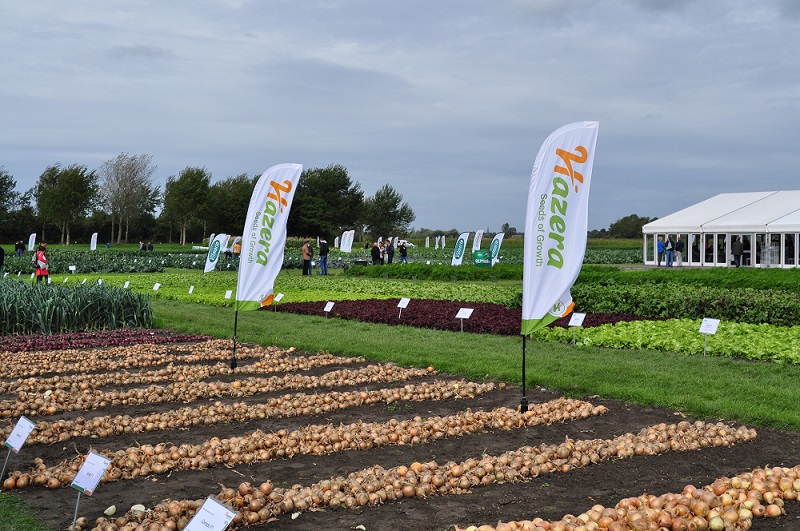
Around the world, Hazera works in close cooperation with farmers of all kinds of crops to respond effectively to emerging trends. Through trials and other research, we address the industry’s most pressing challenges and develop seed solutions to help agriculturalists – and their plants – thrive.


Want to learn more? Contact us today to see how we can support you!
Industry focus food tech trends to be aware of

Four food tech trends to be aware of

The food industry isn’t short of challenges right now. Growers face rising fertilizer prices and the effects of climate change, while food providers are dealing with increased transportation costs and low consumer sentiment.

Thankfully, innovators have developed a range of solutions to combat these difficulties and bring agriculture into the 21st century. These four are firmly on our radar …

1. Mechanization
Humans have been mechanizing agriculture for centuries, but recent advances are particularly sophisticated. One exciting development is the advent of “grippers” – advanced robotics that can pick up and hold food like a human hand. For packaging materials that need to be folded sharply, fruit picking, and other manual work, grippers are set to revolutionize the industry.

2. The Internet of Things (IoT)
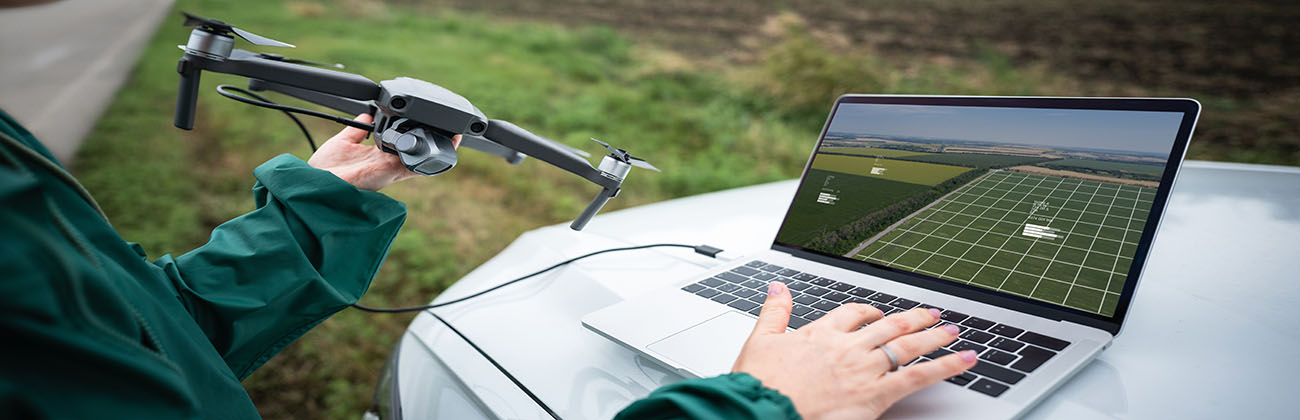
IoT is infiltrating almost every sector – and agriculture is no exception. By integrating sensors, drones, satellite imaging, and intelligence-based autonomous systems, farmers can obtain more granular insights than ever before – and use this information to grow food more efficiently and sustainably.

For example, farms can use sensors to detect nitrogen levels in crops and combine this with satellite data to produce a variable rate application (VRA) map. This can be uploaded to a smart tractor, which then automatically disperses fertilizer according to the varying nitrogen levels across the field.

3. Sustainable Food and Packaging
With agriculture making up 11% of GHG emissions, scientists have been looking for sustainable alternatives – especially when it comes to proteins. Some companies have developed plant-based proteins that mimic the properties of traditional meat, while others are working to perfect lab-grown meat.

Mycoproteins (protein from mushrooms) can also be used to make meat substitutes. What’s more, our fungal friends are the basis for a new type of packaging. This uses 12% of the energy consumed in plastic production and emits 90% less carbon dioxide. Crucially, the product also decomposes within 30-90 days.

4. AI-driven vertical farming
Vertical farming is growing! The market is set to expand by 25.2% annually this decade. In this exciting new field, innovative companies are deploying artificial intelligence to streamline the growing process. This high-tech approach allows 40% more plants per growing area, saves up to 95% of the water used by traditional processes, and has a 30-40% higher growth rate.

As the world experiences another agricultural revolution, Hazera is by your side. Contact us today to see how we can help.